 All Jobs
Apply


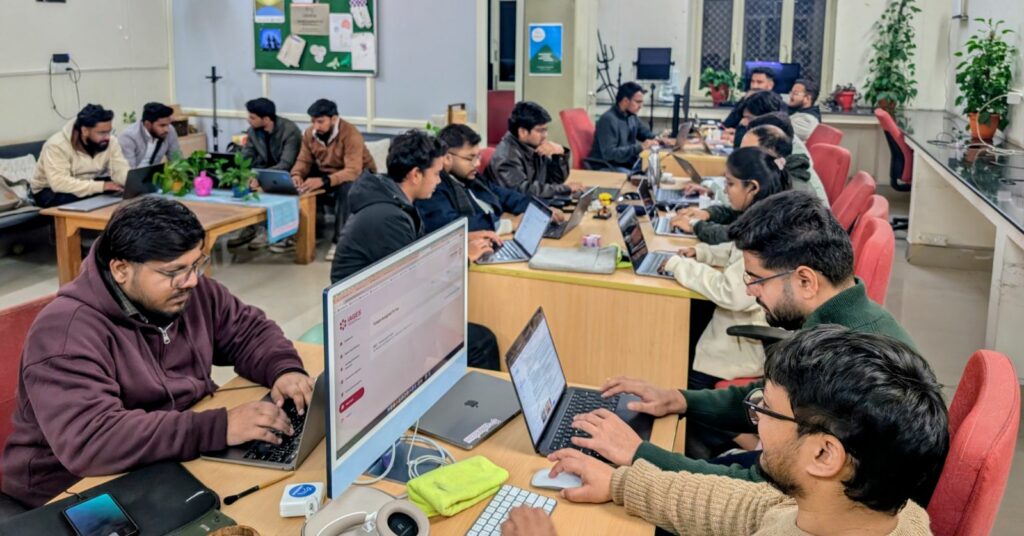
ColoredCow is a bootstrapped software company. 30 people. 11 years old. Offices in Gurgaon, Tehri, and Dwarahat. We build custom software for social sector organizations, US marketing agencies, and healthcare clients.
We have no HR department. We never have.
And AI is rewriting the rules of our entire industry while we build one.
The software services business is being transformed by AI. Tasks that took a junior developer days now take hours. The value of writing code is declining. The value of understanding problems, designing solutions, and exercising judgment is increasing. This changes everything about who we hire, how we develop people, and what roles look like 12 months from now. The People & Culture function at ColoredCow is not a support function — it is at the center of an existential transition.
What we do have — as of 2026 — is a fully documented People & Culture system the founder has been building from scratch. A five-lens team member analysis framework applied to seven people so far. 40 responsibility areas mapped across five team members. An appraisal conversation framework tested through real conversations — including the hardest ones this company has ever had. A hiring manual with two channels: direct hiring and a problem-first university pipeline called CodeTrek, where we give students real unsolved problems and AI tool access instead of lectures and curricula. Culture patterns documented from actual observations, not aspirations. Position Contracts for every function in the company. And an AI-era hiring thesis: every hire must strengthen ColoredCow on the side of the line that AI cannot cross.
The system exists. The person to run it doesn’t.
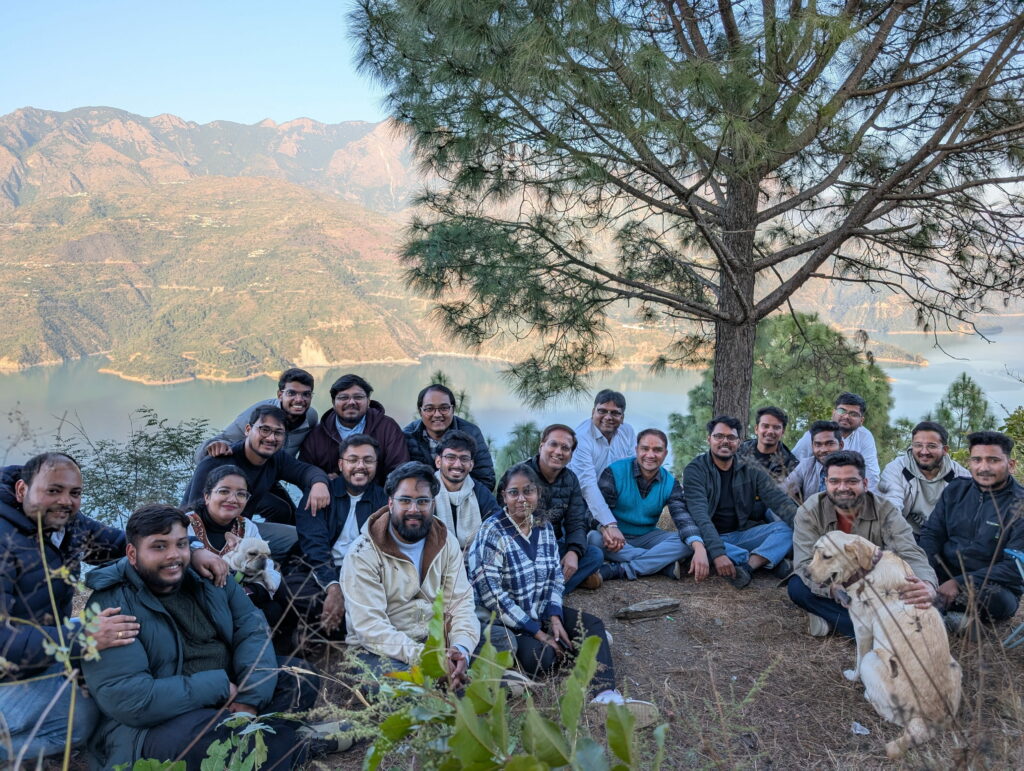
You walk into a 30-person company mid-transformation and take ownership of the people function — hiring, onboarding, appraisals, growth paths, team health, the university talent pipeline, multi-site coordination across three hill offices, and the daily judgment calls that come with navigating a team through the biggest shift in the software industry in decades.
You’ll be hiring people whose roles are being reshaped by AI — and helping define what those roles become. You’ll run appraisal conversations where the honest answer is sometimes uncomfortable. You’ll manage a talent pipeline at hill colleges where evaluation happens through real problem-solving, not written tests. You’ll travel to Tehri and Dwarahat regularly because remote teams managed only by video are not managed. You’ll work directly with the CEO — no middle layer, no HR director above you. You are the function.
This is not an HRIS implementation role. This is not a compliance role. This is not an employee engagement calendar role. This is the role where you are the second most important person in the company after the CEO, because you own the function that every other function depends on.
You think of HR as primarily compliance, payroll, and HRIS implementation — we need someone who thinks in terms of people judgment, not systems administration. You need a fully defined job description before you can start — the system exists but the role evolves as the company evolves. You’re uncomfortable with direct, honest conversations about performance — the hardest people conversations of this company’s history are happening right now, and you’ll be in the middle of them. You see AI as something the engineering team deals with — at ColoredCow, AI reshapes every function including yours. You want to work from one location — this role requires regular presence in Gurgaon, Tehri, and Dwarahat. You’re looking for a large team to manage — you’re building the function, starting as a team of one reporting directly to the CEO. Or you want to discuss the philosophy of people development more than you want to do the daily work of it — we have enough documents, we need execution.
What you need: 3–7 years of experience building (not just running) people operations in a small company — you know the difference between designing a system and inheriting one. The judgment to navigate complex people situations where the answer is not in a policy manual — situations like recognizing when a long-tenured employee’s framing of others is damaging relationships, or when an invisible contributor is doing senior-level work without recognition and is about to leave. Comfort working alongside AI tools yourself — not as a novelty, but as the default way this company operates. The discipline to maintain systems — weekly pulses, monthly check-ins, quarterly reviews — without someone reminding you. Comfort with ambiguity, hill towns, and a founder who will challenge your thinking directly.
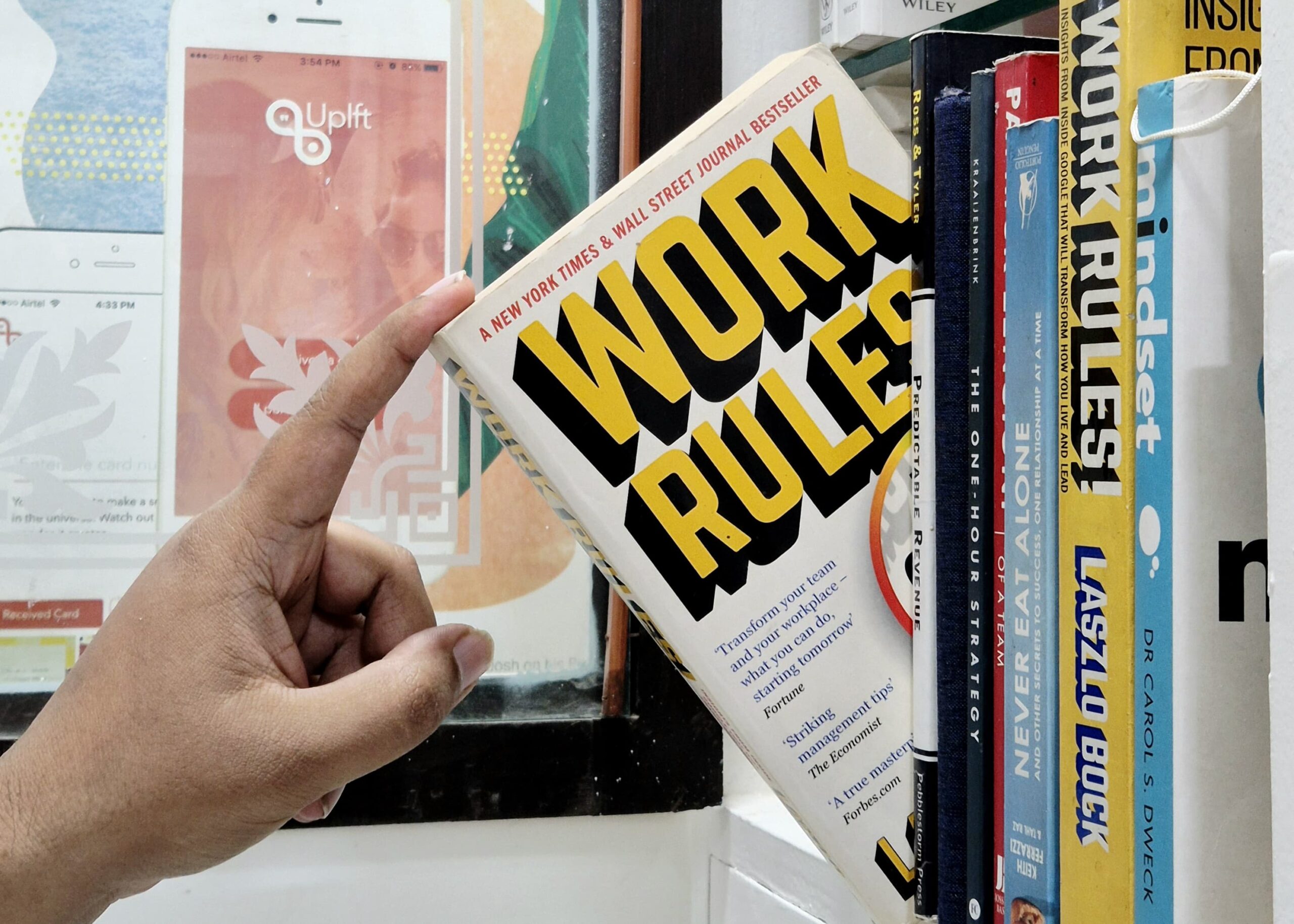
If you’ve read Work Rules by Laszlo Bock or Delivering Happiness by Tony Hsieh, you’ll recognize what we’ve built here. If you haven’t, they’ll be on your desk on day one.
What you don’t need: an MBA from a top college, or experience at a large corporation. We care about how you think, not where you studied.
Experience: 3–7 years in people operations, preferably at a company under 100 people where you built something, not just maintained it.
Location: Gurgaon, with regular travel to Tehri and Dwarahat. Our hill offices are not satellite offices — they are where a significant part of the team lives and works. Presence there matters.
Compensation: ₹12–18L depending on experience. This is below what a large company would pay for this level of ownership. What we offer instead: ownership of an entire function from day one, a documented system already built for you to run, a team navigating something genuinely unprecedented, and the chance to shape how a company grows through the AI transition — not just process its paperwork.
Our hiring process includes a conversation with the CEO, a short take-home assignment, and a paid working period where you join the team for [one week / two weeks] on real work. We believe both sides should know what the daily reality feels like before making it permanent.
Hit the Apply Now button below — yes, the form that pops up looks like every other job application form. We’re a software company that hasn’t redesigned its own career page yet (if that bothers you, good — you might be the kind of person who fixes things like that around here). The field that matters most is ‘Why do you think you are fit for this job?’ — that’s the one we actually read first. Or skip the form entirely and write to prateek.narang@coloredcow.com. Either way, tell us what you’d do in your first 30 days. Your answer matters more to us than your resume.